- Have Any Questions
- +91 7220 951 951
- kayakalyanaturecure@gmail.com


Why Back Pain Has Become So Common – And What Most People Ignore
December 24, 2025
Stress Management with Naturopathy and Lifestyle Balance
January 21, 2026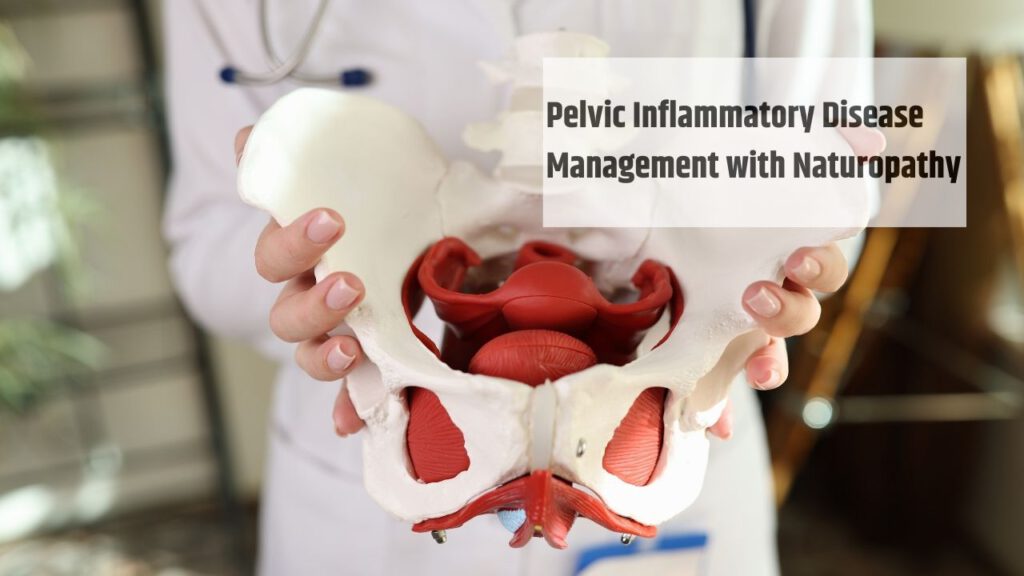
Pelvic Inflammatory Disease (PID) is a condition that affects a woman’s reproductive health and overall well-being. It usually develops when infections spread to the internal reproductive organs, leading to inflammation and discomfort. If not managed at the right time, PID can quietly progress and create long-term health challenges for women.
The condition not only causes physical symptoms but can also disturb hormonal balance, energy levels, and emotional health. Early management is important because timely care can help prevent complications and reduce the chances of recurrence.
Naturopathy offers a natural and holistic approach to managing PID. Instead of focusing only on suppressing symptoms, it works on identifying underlying imbalances and supporting the body’s own healing process. Through diet, lifestyle correction, and natural therapies, naturopathy aims to restore balance and support long-term reproductive health.
What Is Pelvic Inflammatory Disease
Pelvic Inflammatory Disease is an inflammatory condition of the female reproductive system. It commonly affects organs such as the uterus, fallopian tubes, ovaries, and surrounding pelvic tissues. The inflammation usually begins due to infection and gradually spreads upward within the reproductive tract.
PID can be classified broadly into acute and chronic forms. Acute PID develops suddenly and may cause noticeable pain and discomfort. Chronic PID, on the other hand, progresses slowly and may present mild but persistent symptoms that are often ignored.
Because the condition involves sensitive reproductive organs, even mild inflammation can affect menstrual health, fertility, and overall pelvic comfort. Understanding PID in simple terms helps women recognize symptoms early and seek timely care.
Common Causes of PID
Pelvic Inflammatory Disease often develops due to a combination of internal and external factors. The most common cause is bacterial infection that travels upward from the lower reproductive tract. When immunity is weak, the body finds it harder to fight such infections.
Hormonal imbalance can also increase vulnerability by affecting the natural protective environment of the reproductive system. Poor lifestyle habits, inadequate hygiene, and irregular routines may further contribute to the condition.
Delayed or incomplete treatment of earlier infections is another major factor. When infections are not fully addressed, they may resurface in a more complex form. Chronic stress, though indirect, can weaken immunity and disturb hormonal balance, creating conditions that allow inflammation to persist.
Symptoms and Health Risks of PID
PID symptoms can vary from mild to severe, depending on the stage and intensity of inflammation. Common signs include lower abdominal or pelvic pain that may worsen over time. Many women also experience irregular menstrual cycles or discomfort during periods.
Persistent fatigue, weakness, and a general feeling of low energy are frequently reported. Recurrent infections or discomfort in the pelvic region can further indicate underlying inflammation.
If left unmanaged, PID may increase the risk of long-term complications such as chronic pelvic pain or reproductive health concerns. This makes early attention and supportive care essential for overall well-being.
Why Naturopathy for PID Management
Naturopathy focuses on treating the root causes of disease rather than only controlling visible symptoms. In PID, this approach becomes especially relevant because inflammation often develops due to deeper imbalances in immunity, hormones, and lifestyle.
Instead of suppressing symptoms temporarily, naturopathy supports the body’s natural self-healing capacity. It aims to restore internal balance so that the reproductive system can recover gradually and sustainably.
The approach is non-invasive and holistic, making it suitable for women seeking gentle yet effective care. By combining natural therapies, dietary correction, and lifestyle improvements, naturopathy works toward long-term relief and better reproductive health rather than short-term symptom control.
How Naturopathy Helps in Managing PID
Naturopathy addresses PID through multiple supportive pathways that work together to improve overall pelvic health. One of the primary goals is reducing pelvic inflammation using natural therapies that promote healing without stressing the body.
Strengthening immunity is another important aspect. A stronger immune system helps the body fight infections more effectively and reduces the chances of recurrence. Natural treatments aim to enhance the body’s defense mechanisms gradually.
Hormonal balance plays a key role in reproductive health. Naturopathic care supports hormonal regulation by improving internal functioning and reducing stress-related imbalances. Better blood circulation in the pelvic region is also encouraged, which helps deliver nutrients and oxygen to affected tissues.
Pain and discomfort are managed through gentle, natural methods that relax muscles and reduce tension. Instead of masking pain, these methods support the healing process, helping women feel more comfortable while their bodies recover naturally.
Role of Diet in PID Recovery
Diet plays a crucial role in managing inflammation and supporting recovery in PID. Including anti-inflammatory foods such as fresh vegetables, fruits, whole grains, and natural fats helps reduce internal inflammation and supports healing.
Proper hydration is equally important, as it aids detoxification and supports circulation. Drinking enough water helps the body eliminate waste and maintain healthy tissue function.
Processed foods, refined sugars, and inflammatory items can worsen symptoms and should be minimized. A well-balanced diet also supports digestion, which is closely linked to immunity and overall healing. When digestion improves, the body becomes more efficient in repairing and restoring balance.
Lifestyle Changes for Long-Term Relief
Lifestyle correction is essential for long-term relief from PID. Stress management is particularly important, as chronic stress can weaken immunity and disturb hormonal balance. Simple relaxation practices and mindful routines can make a significant difference.
Adequate sleep supports recovery and allows the body to heal naturally. Gentle physical activity, such as walking or light stretching, helps improve circulation without overexertion.
Daily lifestyle awareness—maintaining hygiene, balanced routines, and mindful habits—creates a supportive environment for long-term pelvic health and reduces the risk of recurring inflammation.
Can PID Be Managed Long-Term with Naturopathy
Yes, PID can be managed effectively over the long term with a consistent naturopathic approach. The focus is not only on current symptoms but also on preventing recurrence by strengthening the body internally.
Regular follow-up, adherence to dietary and lifestyle guidance, and commitment to natural care play an important role. When the body is supported consistently, inflammation reduces gradually, and overall reproductive health improves.
Long-term naturopathic management encourages balance, resilience, and sustained well-being rather than temporary relief.
Who Should Consider Naturopathic PID Care
Naturopathic care can be helpful for women experiencing recurrent PID symptoms or chronic pelvic discomfort. It is also suitable for those who prefer natural, non-invasive approaches to health management.
Women looking for preventive support for reproductive health or those who want to avoid repeated cycles of symptom suppression may benefit from this approach. Naturopathy offers a supportive option for women seeking long-term balance and gentle healing.
When to Seek Professional Guidance
Professional guidance is essential when symptoms persist, worsen, or recur frequently. Early consultation helps in identifying imbalances before complications develop.
Naturopathic care should always be taken under proper supervision to ensure safe and effective management. Timely guidance allows for personalized care and better outcomes, especially in chronic or recurring conditions.
At Kayakalya Nature Care, women’s health is approached with personalized naturopathic care that focuses on balance, healing, and long-term well-being. The natural approach to PID management emphasizes root-cause correction through diet, lifestyle, and holistic therapies. Women seeking gentle, supportive, and natural care for pelvic health can explore professional consultation to begin a guided healing journey.
Follow us on Instagram: @kayakalyanaturecure