- Have Any Questions
- +91 7220 951 951
- kayakalyanaturecure@gmail.com


Pelvic Inflammatory Disease Management with Naturopathy
January 20, 2026
Natural Ways to Control Diabetes Without Heavy Medication
February 18, 2026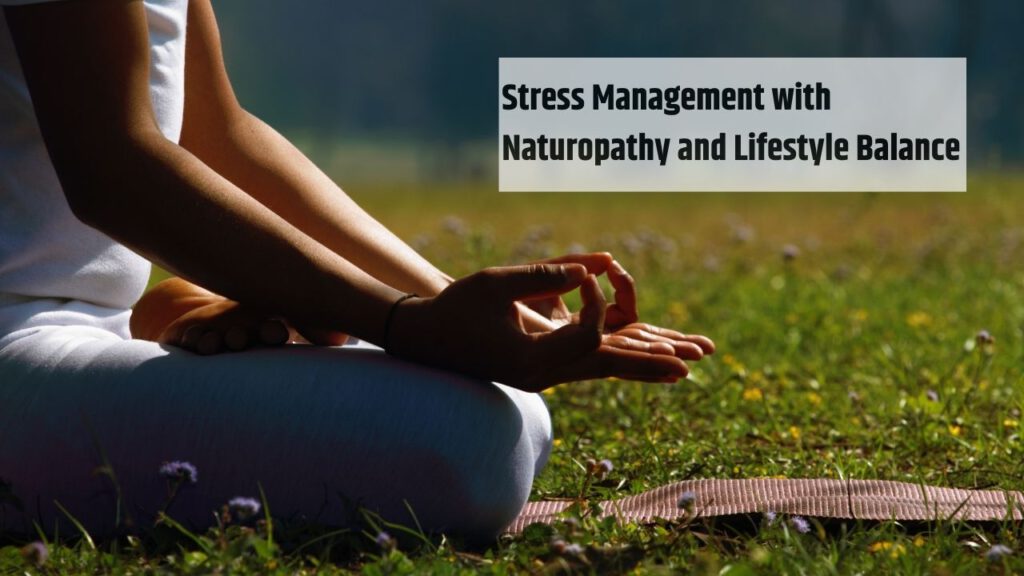
Stress has become a common part of modern life. Fast-paced routines, constant digital exposure, work pressure, and personal responsibilities often keep the mind in a continuous state of alertness. While short-term stress can sometimes help improve focus, prolonged stress gradually affects both physical and mental health.
Chronic stress can disturb sleep, digestion, immunity, and emotional balance. Over time, it increases the risk of fatigue, anxiety, hormonal imbalance, and lifestyle-related disorders. Many people try to manage stress temporarily, but without addressing its root causes, relief often remains short-lived.
Naturopathy, combined with lifestyle balance, offers a natural way to manage stress effectively. Instead of suppressing symptoms, it focuses on calming the nervous system, restoring internal balance, and supporting the body’s natural ability to heal. This approach promotes long-term mental clarity, emotional stability, and overall well-being.
What Is Stress and How It Affects the Body
Stress is the body’s natural response to physical, emotional, or mental pressure. Acute stress is short-term and usually resolves once the situation passes. Chronic stress, however, continues for long periods and places constant strain on the body.
Prolonged stress overstimulates the nervous system, keeping it in a “fight or flight” mode. This affects sleep quality, slows digestion, and disrupts hormonal balance. Over time, the mind and body stop communicating efficiently.
The mind–body connection plays a crucial role here. Mental tension directly influences physical health, and unresolved stress often manifests as physical discomfort, fatigue, or recurring health issues.
Common Causes of Chronic Stress
Chronic stress often develops due to multiple lifestyle-related factors rather than a single cause. Work pressure and unrealistic expectations are among the most common triggers. Poor sleep routines further weaken the body’s ability to recover from daily stress.
Digital overload—constant notifications, screen time, and information flow—keeps the mind overstimulated. Emotional stress from relationships, responsibilities, or unresolved concerns also adds to the burden.
Poor dietary habits and lack of physical activity reduce the body’s resilience to stress. When relaxation and personal downtime are missing from daily life, stress gradually becomes a constant state rather than an occasional response.
Symptoms of Unmanaged Stress
When stress is left unmanaged, it begins to show through both physical and emotional symptoms. Persistent fatigue and low energy are often early signs. Many people experience anxiety, irritability, or mood swings without a clear reason.
Headaches, body pain, and muscle tension become frequent. Sleep disturbances such as difficulty falling asleep or waking up tired are common. Digestive issues like bloating or irregular appetite may also develop.
Reduced concentration, poor memory, and lack of motivation further affect daily functioning. These symptoms indicate that the body and mind need timely support.
Why Choose Naturopathy for Stress Management
Naturopathy approaches stress management by addressing its root causes rather than masking symptoms. It provides drug-free support that works gently with the body’s natural systems.
The focus is on balancing the nervous system, improving internal harmony, and enhancing resilience. By supporting both mental and physical wellness, naturopathy helps the body recover from prolonged stress.
This holistic philosophy considers lifestyle, emotional health, diet, and natural therapies as interconnected. The goal is not just short-term relief, but long-term stability, mental clarity, and overall well-being.
How Naturopathy Helps in Stress Management
Naturopathy supports stress management through a combination of natural therapies and lifestyle correction. One of its primary benefits is calming the nervous system. Gentle therapies help shift the body from a constant stress response to a relaxed state.
Hormonal balance is also supported, as chronic stress often disrupts stress-related hormones. By improving internal regulation, mood stability and emotional balance gradually improve.
Detoxification and relaxation therapies help release physical and mental tension accumulated over time. These therapies encourage deep relaxation, improve circulation, and reduce fatigue.
Sleep quality improves as the nervous system becomes more balanced. Better sleep enhances emotional stability, focus, and energy levels. Over time, individuals experience improved emotional resilience and a greater sense of calm in daily life.
Role of Diet in Stress Reduction
Diet plays a significant role in how the body responds to stress. Stress-reducing foods such as fresh fruits, vegetables, whole grains, and healthy fats support nervous system health.
Maintaining balanced blood sugar levels helps prevent sudden energy crashes and mood fluctuations. Regular hydration supports circulation and detoxification, which are essential for stress recovery.
Excess caffeine, refined sugars, and junk food can worsen anxiety and restlessness. Limiting these helps stabilize energy levels and supports mental clarity. A balanced diet strengthens the body’s ability to cope with stress naturally.
Lifestyle Balance for Long-Term Stress Relief
Lifestyle balance is essential for sustainable stress relief. Correcting daily routines helps create predictability and stability for the body and mind. Consistent sleep schedules improve recovery and emotional balance.
Digital detox practices reduce mental overload and improve focus. Setting boundaries between work and personal life allows the mind to relax and reset.
Simple habits such as scheduled breaks, mindful activities, and realistic daily goals help maintain long-term stress balance and prevent burnout.
Yoga, Breathing, and Relaxation Practices
Yoga and breathing practices are effective natural tools for stress management. Gentle yoga postures help release physical tension and improve circulation.
Breathing techniques calm the nervous system and reduce mental restlessness. Slow, mindful breathing improves oxygen flow and promotes relaxation.
Relaxation methods such as guided relaxation or mindfulness practices help improve awareness and emotional stability. Regular practice enhances mental clarity and reduces stress sensitivity.
Can Stress Be Managed Naturally Long-Term
Yes, stress can be managed naturally with consistency and the right approach. Combining lifestyle balance with naturopathic therapies helps prevent stress from becoming chronic.
Regular practice and follow-up strengthen the body’s stress response and reduce the risk of burnout. Over time, individuals experience improved emotional resilience, better sleep, and enhanced quality of life.
Natural stress management focuses on prevention, not just recovery.
Who Should Consider Natural Stress Management
Natural stress management is suitable for working professionals facing constant pressure, students dealing with academic stress, and homemakers managing multiple responsibilities.
It is also helpful for individuals experiencing sleep disturbances, anxiety, or emotional fatigue. Those seeking preventive wellness and long-term mental balance can benefit from this approach.
When to Seek Professional Support
Professional support should be considered when stress becomes persistent or starts affecting daily functioning. Chronic stress, emotional instability, or physical symptoms linked to stress should not be ignored.
Guided care helps identify underlying imbalances and provides structured support. Early intervention improves outcomes and prevents long-term health concerns.
Kayakalya Nature Care offers personalized, natural stress management programs that focus on restoring balance through naturopathy and lifestyle correction. The mind–body healing approach supports long-term emotional and physical wellness without dependency on medications. Individuals seeking a gentle, holistic path to stress relief can explore guided consultation and begin a balanced healing journey.
Follow us on Instagram: @kayakalyanaturecure