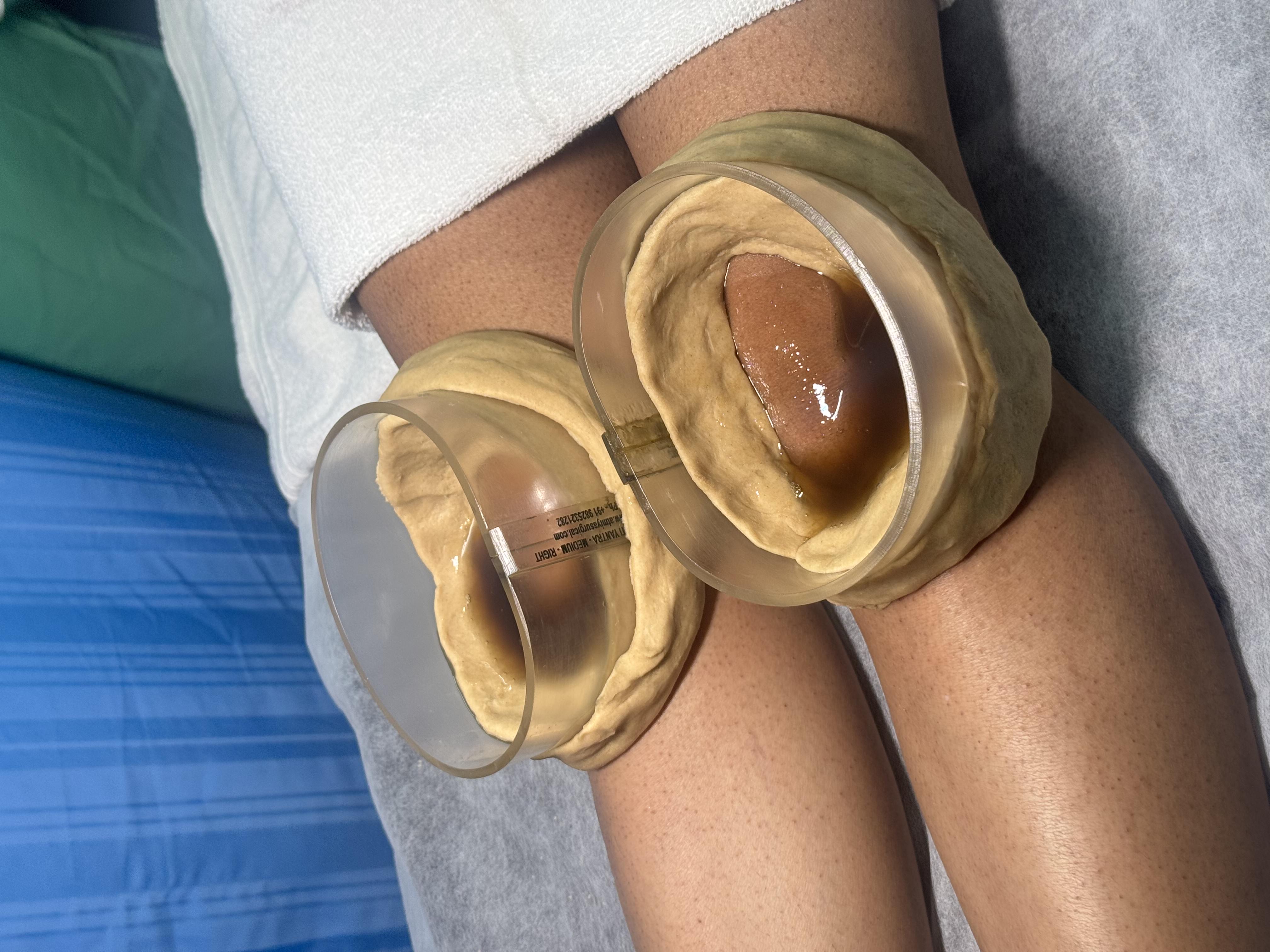
Osteoarthritis • Knee Pain • Joint Stiffness

Osteoarthritis Treatment in Udaipur with Naturopathy & Panchkarma

An individualized approach at Kayakalya Nature Cure combining naturopathy, Ayurveda-based Panchkarma, therapeutic exercise, yoga, diet therapy, weight management and lifestyle correction according to the person's condition and clinical assessment.

Knee OsteoarthritisHip Joint DiscomfortJoint StiffnessReduced MobilityNatural Joint Care
Osteoarthritis and knee pain treatment at Kayakalya Nature Cure in Udaipur
5000+Patients Treated
8+Years Experience
50+Natural Therapies
BNYSQualified Doctors
Understanding Osteoarthritis

What Is Osteoarthritis?

Osteoarthritis (OA) is a chronic joint condition in which the structures of a joint undergo changes over time. It commonly affects the knees, hips, hands and fingers, spine and neck, although other joints can also be involved.

For many people, symptoms begin gradually: pain while walking or climbing stairs, stiffness after sitting for a long time, difficulty getting up from a chair, or reduced tolerance for everyday activity. As symptoms progress, movement may become more difficult and quality of life can be affected.

Osteoarthritis is influenced by more than one factor. Age, excess body weight, previous joint injury, repetitive mechanical stress, muscle weakness, genetic susceptibility and sedentary habits can all contribute to risk and symptom burden.

The goal of supportive care is not simply to “numb” pain. A broader programme can focus on mobility, muscle strength, healthy body weight, appropriate activity, diet and sustainable lifestyle habits while recognizing when conventional medical or orthopedic care is needed.
Common Symptoms

How Osteoarthritis May Affect Daily Life

Symptoms vary from person to person and depend on the joint involved and the severity of the condition.

Joint Pain

Pain may occur during movement or after prolonged activity and can become more persistent in some people.

Morning Stiffness

Stiffness can occur after waking or after remaining seated for a long period.

Difficulty Walking

Knee or hip symptoms may make longer walks increasingly uncomfortable.

Difficulty on Stairs

Knee osteoarthritis may make climbing or descending stairs difficult.

Reduced Range of Motion

The affected joint may not move as freely as it once did.

Swelling or Tenderness

Some people experience tenderness or swelling around an affected joint.

A Holistic Approach

Can Osteoarthritis Be Managed Naturally?

Osteoarthritis is chronic, so treatment should be individualized rather than presented as a guaranteed cure.

Therapeutic Exercise

Appropriate strengthening, aerobic, mobility and neuromuscular activities can support physical function.

Weight Management

For people who are overweight, gradual weight reduction can reduce mechanical demand on weight-bearing joints.

Yoga

Gentle, individualized yoga may support mobility, balance, flexibility and body awareness.

Naturopathy Therapies

Diet correction, hydrotherapy, mud therapy and selected heat-based therapies may form part of a personalized programme.

Panchkarma When Appropriate

Ayurvedic procedures may be considered after assessment and should not be treated as a one-size-fits-all protocol.

Lifestyle Correction

Activity, sleep, posture, walking habits, stress management and long-term adherence are considered alongside treatment.

Important: Natural therapies should complement, not automatically replace, necessary medical evaluation, medicines, physiotherapy or orthopedic care.
Naturopathy for Osteoarthritis

How Naturopathy May Support Joint Health

Naturopathic care takes a broader view of diet, activity, body weight, sleep, stress and overall wellbeing.

Therapeutic Diet

A balanced diet can support healthy body weight and nutritional wellbeing. For people who are overweight, gradual weight reduction may reduce mechanical stress on weight-bearing joints.

Hydrotherapy

Water-based therapies may be selected as part of a naturopathic programme depending on the individual's condition.

Mud Therapy

Mud applications are traditionally used in naturopathy as supportive therapy for selected musculoskeletal complaints.

Heat-Based Therapies

Appropriately selected thermal therapies may support relaxation and temporary symptom relief in some people.

Gentle Yoga

Yoga can be modified according to pain, mobility and joint condition rather than following a generic sequence.

Lifestyle Guidance

Patients may receive guidance regarding daily activity, sleep, posture, walking habits, weight management, stress and exercise routines.

Ayurvedic Support

Panchkarma for Osteoarthritis, Knee Pain & Joint Stiffness

Panchkarma is a traditional Ayurvedic therapeutic system involving preparatory, therapeutic and post-treatment procedures. It is not simply a massage or a single “detox” session.

1. Purva Karma — Preparation

Preparatory therapies such as Snehana and Swedana may be considered before the selected main procedure, depending on assessment.

2. Pradhana Karma — Main Procedure

Selected procedures may include Vamana, Virechana, Nasya or Vasti. Not every patient requires every procedure.

3. Paschat Karma — Post-Care

Diet, rest, routine and other supportive measures help the patient transition back toward normal daily activity.

Set the right expectation: Ayurvedic interventions have been studied for osteoarthritis, but available research has limitations. Panchkarma should therefore be described as a complementary/supportive approach, not a guaranteed cure.

How Panchkarma Can Fit Into an Integrated Programme

For selected patients with chronic musculoskeletal complaints, Panchkarma may be considered alongside naturopathy, therapeutic exercise, yoga, diet therapy and lifestyle correction. The aim is not to claim that a procedure can “remove arthritis”, but to support comfort, mobility, relaxation and healthy routines as part of an individualized plan.

Movement Matters

Role of Exercise & Yoga in Osteoarthritis

Fear of movement can lead to less activity, muscle weakness and further loss of function. Appropriate movement is therefore an important part of long-term management.

Therapeutic Exercise

Depending on the person, exercise may include gentle range-of-motion work, muscle strengthening, walking, aquatic exercise, balance training, aerobic activity and functional movement.

Best principle: appropriate + gradual + consistent + individualized.

Yoga

Gentle yoga may focus on mobility, flexibility, breathing, balance, muscle control, relaxation and mind-body awareness. Advanced postures should not be performed without professional guidance when pain or mobility restriction is significant.

Three Practical Pillars

Weight, Diet & Lifestyle

Weight Management

For people with knee or hip osteoarthritis who are overweight or obese, weight management is an important component of care. Reducing excess weight can reduce mechanical demand on weight-bearing joints and may improve pain and physical function.

Diet Quality

Diet does not magically reverse established joint degeneration. A balanced diet can nevertheless support healthy weight, muscle health, energy, metabolic health and long-term adherence.

Sustainable Routine

Regular movement, appropriate activity, adequate sleep, posture, stress management and consistency are important for maintaining improvements beyond a treatment programme.

At Kayakalya Nature Cure

A Responsible, Step-by-Step Treatment Process

The programme begins with assessment rather than immediately starting therapies.

1

Health Assessment

Symptoms, duration, previous injuries, medical history, current medicines, weight, lifestyle, sleep and diet are reviewed.

2

Understand the Joint

Pain location and pattern are evaluated. Previous X-ray or MRI reports can be reviewed when available.

3

Individual Plan

Panchkarma, Ayurveda, naturopathy, yoga, exercise, diet and lifestyle counselling may be combined as needed.

4

Monitor Progress

Pain, walking ability, stiffness, joint movement, daily activity and exercise tolerance can be followed.

5

Long-Term Plan

Guidance focuses on continuing exercise, healthy diet, weight management, sleep and appropriate activity.

Safety First

When Should You See a Doctor?

Not every joint pain is osteoarthritis. Medical evaluation is particularly important when symptoms are sudden, severe or unusual.

Seek prompt medical evaluation for:
Sudden severe joint painSignificant traumaHot, very swollen jointFever with joint symptomsRapidly worsening symptomsSudden inability to bear weightMajor deformityUnexplained weight lossSevere night painNew neurological symptoms

People with multiple medical conditions or those taking regular medication should receive individualized advice. Do not stop or change prescribed medicines without discussing this with the prescribing doctor and treating healthcare professional.

An Important Question

Can Panchkarma Replace Knee Replacement?

Panchkarma should not be promoted as a guaranteed alternative to knee replacement. The need for surgery depends on factors such as structural joint damage, pain, functional limitation, response to conservative treatment and orthopedic assessment.

Some people with osteoarthritis can manage symptoms with conservative measures for long periods, while others with advanced disease may eventually require orthopedic intervention. The appropriate approach should be determined individually.

Frequently Asked Questions

Osteoarthritis & Panchkarma FAQs

Can Panchkarma cure osteoarthritis permanently?

Osteoarthritis is a chronic joint condition, and no treatment should promise a guaranteed permanent cure. Panchkarma may be considered as part of an individualized supportive programme aimed at symptom management, mobility and wellbeing.

Is Panchkarma useful for knee osteoarthritis?

It may be considered for selected patients as part of an integrated programme after assessing health, symptoms, mobility and medical history.

Can naturopathy help with knee pain?

Naturopathy may be used as part of a holistic programme that can include diet, therapeutic exercise, yoga, hydrotherapy and lifestyle modification.

Can weight loss reduce knee pain?

For people with knee osteoarthritis who are overweight or obese, weight management is an evidence-based component of care and can improve pain and physical function.

Should I stop exercise if I have osteoarthritis?

Not necessarily. Appropriate therapeutic exercise is an important part of osteoarthritis management, but type and intensity should match the individual's condition.

Is yoga safe for osteoarthritis?

Gentle individualized yoga may be suitable for many people. Advanced postures or movements that increase pain should be avoided, particularly when mobility is significantly restricted.

How long does Panchkarma treatment take?

Duration depends on health status and the individual treatment plan. Kayakalya describes Panchkarma programmes that may range approximately from 7 to 28 days depending on individual requirements.

Can I take my regular medicines during treatment?

Do not stop or change prescribed medication without discussing it with the prescribing doctor and the treating healthcare professional.

Is Panchkarma suitable for everyone?

No. The appropriate procedures depend on health status, age, medical history and clinical assessment.

Can Panchkarma be taken along with conventional treatment?

An integrated approach may be possible for some patients, but therapies and medicines should be coordinated by qualified healthcare professionals.

Get an Individualized Osteoarthritis Assessment in Udaipur

If you are experiencing persistent knee pain, joint stiffness, reduced mobility or difficulty walking, an assessment can help determine whether an integrated naturopathy and Panchkarma programme is appropriate for you.

📞 Call +91-7220-951-951